
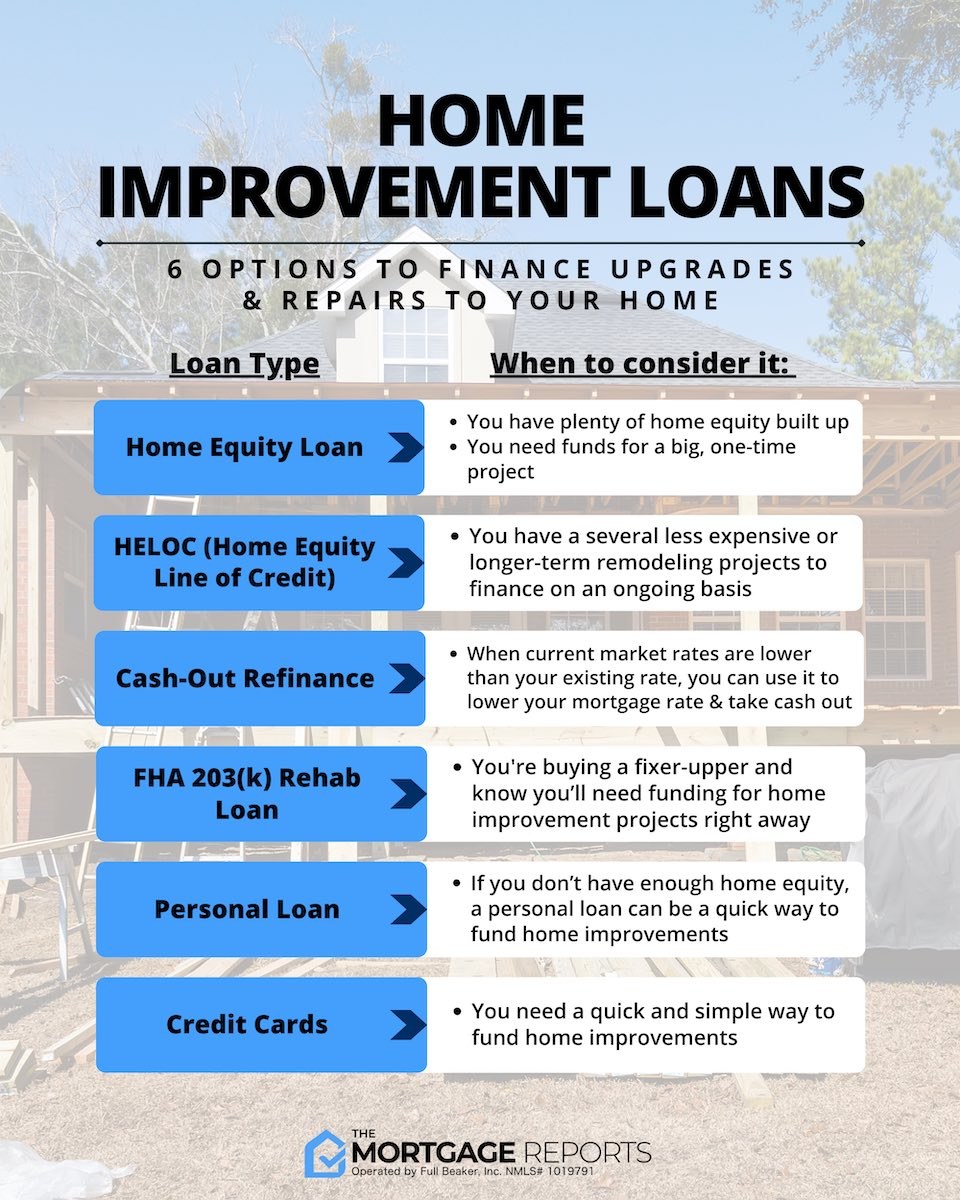
Up to $100,000 is the upper limit of what you might secure through certain specialized lenders if your credit score is high enough. This figure represents more than just a number; it is the difference between a minor kitchen update and a complete structural renovation for many Missouri homeowners.
If you are looking to renovate, you essentially have two main paths: using a personal loan or a home improvement loan. While they might sound identical, the mechanics of how you borrow the money change your level of risk. You can finance repairs and upgrades through home improvement loans without having to tap into your home’s equity. Because these loans are typically unsecured, your house isn’t at risk if you run into repayment struggles. This is a massive distinction from a HELOC or a home equity loan, where the property itself acts as collateral.
You can also look toward credit unions or specialized platforms to find what works for your budget. For instance, Acorn Finance allows you to compare different options in Missouri without impacting your credit score just to see what you qualify for. This “soft pull” approach is helpful because you can shop around before committing to a hard inquiry that might ding your score.
The right choice depends on whether you want to keep your equity untouched or if you need the lower interest rates that sometimes come with secured debt. It is a balancing act. Many people find that a personal loan from a local credit union works best for smaller tasks like buying new appliances or clearing out high-interest credit card debt. This keeps your monthly payments fixed and predictable. If you need to go bigger, you might need to look at different programs entirely.
The Nuance Between Unsecured Personal Loans and Equity-Based Financing
Choosing the wrong type of loan can cause a headache years down the line. When you take out a personal loan, you are essentially borrowing money based on your ability to pay it back, not based on the value of your house. This means if things go sideways, the bank cannot simply come and take your roof. It is a cleaner, faster way to get cash for things like a new HVAC system or a bathroom remodel. You get the money, you do the work, and you pay it back in fixed installments. It’s straightforward.
On the other hand, home equity-based loans tie your house to the debt. If you fail to make payments on a home equity loan, you risk foreclosure. For many, the trade-off is worth it because interest rates on secured loans are often lower than those on unsecured personal loans. You have to weigh the cost of the interest against the risk of losing your home. It is a heavy decision. You should run the numbers carefully before signing anything.
Personal loans are also much faster to secure. Since there is no home appraisal required, you can often have the funds in your bank account within a few days. This is helpful if you have an emergency repair, like a leaking basement or a broken furnace, that needs immediate attention. You won’t want to wait weeks for an appraiser to visit your property when your living situation is at stake.
Consider the following comparison to see how these options stack up for a standard Missouri renovation project:
| Feature | Personal Loan | Home Improvement Loan (Unsecured) | Home Equity Loan (Secured) |
|---|---|---|---|
| Collateral | None (Unsecured) | None (Unsecured) | Your Home |
| Approval Speed | Very Fast | Fast | Slower (Appraisal needed) |
| Interest Rates | Generally Higher | Variable | Generally Lower |
| Risk Level | Low (Property safe) | Low (Property safe) | Higher (Property at risk) |
Government Assistance and Specialized Grants for Low-Income Residents
Not everyone has access to high-limit private credit. If you are a homeowner in a low-income bracket, there are specific federal and state programs designed to help you maintain your property. These aren’t just loans; some are actually grants. A grant is essentially money you do not have to pay back, which is the holy grail of home financing. However, these programs usually come with strict eligibility requirements regarding your income and the age of your home.
One of the most significant resources is the USDA Single Family Housing Repair Loans & Grants. This program targets very-low-income homeowners to help them repair, improve, or modernize their houses. If you are an elderly homeowner living in a very-low-income household, there are even specific grants available to help remove health and safety hazards from your home. This is a vital safety net for those who might otherwise lose their primary asset due to neglect or inability to afford repairs.
Beyond the USDA, HUD (the federal Department of Housing and Urban Development) funnels money down to Missouri housing agencies, counties, and cities. This decentralized approach means that what is available to you might depend heavily on where you live in the state. Some cities have specific funds for neighborhood revitalization, while rural counties might have different priorities. It pays to check with your local municipal office or housing authority directly.
In non-metropolitan areas, the Home Repair Opportunity Program is a specific avenue for low and moderate-income homeowners. These programs are designed to ensure that even those outside the major hubs of St. Louis or Kansas City have a chance to keep their homes safe and habitable. If you live in a rural area, your options might actually be more specialized than someone living in a high-density urban center.
Strategic Debt Management and Minor Home Upgrades
Sometimes, a home improvement project isn’t about a new kitchen. Sometimes, it is about using a loan to stabilize your overall finances. Many local credit unions, such as Infuze Credit Union, offer personal loans that can be used for a variety of purposes. You can use them for minor home improvements, but you can also use them to pay off credit cards or other high-interest debt. This is a strategic move to lower your monthly overhead.
If you have several different credit card balances with 22% interest rates, taking out one personal loan with a fixed monthly payment and a lower interest rate can save you thousands over the years. It simplifies your life. Instead of tracking five different due dates, you have one. This is a common tactic used by homeowners to free up cash flow, which can then be redirected into actual home renovations or savings.
The flexibility of these loans makes them useful for a “death by a thousand cuts” scenario. You might not need $50,000 for a roof, but you might need $3,000 for a new refrigerator and $2,000 for a new water heater. Using a personal loan for these specific, smaller needs prevents you from dipping into your emergency fund or relying on high-interest retail credit cards that most appliance stores offer. It is a way to maintain control over your liquidity.
When you look at your options, you should consider these factors for smaller, tactical loans:
- Fixed Payments: Helps with long-term budgeting.
- Speed: Quick access to cash for urgent appliances.
- Purpose: Can be used for debt consolidation or repairs.
- Terms: Usually shorter than a mortgage but longer than a credit card.
Maximizing Your Eligibility for Missouri Repair Programs
If you are navigating the various programs available through HUD or state agencies, you need to be prepared. These applications are often more rigorous than a standard bank loan. You will likely need to provide extensive documentation of your income, your property’s current condition, and the specific nature of the repairs you intend to make. They aren’t just giving away money; they are investing in community stability. They want to see that the funds will actually solve a problem, like a failing roof or a dangerous electrical system.
Many of these programs allow for the renovation or rehabilitation of mobile homes as well. This is a detail that people often overlook. If you own a mobile home in a rural part of Missouri, you may still qualify for certain types of assistance that are specifically earmarked for home improvement and rehabilitation. It is worth looking into these specific categories before assuming you are ineligible because of your housing type.
The sheer number of programs can be overwhelming. There are reportedly over 94 different Missouri home improvement and repair programs available through various agencies. It sounds like a lot because it is. You shouldn’t try to tackle all of them. Instead, start with your local county’s housing department. They are the best-placed to tell you which federal or state funds are currently active in your specific zip code.
Before you apply, make sure your paperwork is in order. You will almost certainly need:
- Proof of residency in the specific Missouri municipality or county.
- Detailed income verification (tax returns, W-2s, or social security statements).
- A written estimate or scope of work for the repairs.
- Proof of homeownership and current property tax status.
Managing your home’s upkeep in Missouri requires a clear understanding of how much risk you are willing to take and how much help you can get from the government. Whether you choose a fast, unsecured personal loan to fix a sink or a large-scale USDA grant to renovate a family home, knowing the difference between equity-based debt and unsecured credit is your first step toward a successful renovation. Missouri Lend covers this in more detail.