
The Nature of Games in Casinos
The allure of casinos lies primarily in the excitement of risk-taking and the potential for substantial rewards. Within the casino environment, games can be categorized mainly into two types: games of chance and games of skill. Games of chance, such as slot machines and roulette, operate largely on random outcomes and probabilities, where players have minimal control over the results and must rely on luck. Interestingly, players looking for an enjoyable experience can explore online pokies australia payid which offer a mix of fun and excitement, while on the other hand, skill-based games like poker and blackjack enable players to utilize strategies and tactics that can significantly influence their outcomes, showcasing their decision-making prowess and knowledge of the game.
This distinction invites a critical inquiry into the extent to which players can influence their chosen games. In games of chance, the unpredictability of outcomes is deliberately designed to cultivate suspense and excitement, as players are aware that even the most experienced participants cannot forecast results with absolute certainty. Conversely, in skill-based games, players have the opportunity to refine their abilities, allowing strategic insights and informed decisions to affect the results. This interplay between chance and skill fosters a captivating atmosphere within casinos, drawing in a diverse range of players.
Ultimately, comprehending the fundamental nature of these games equips players with a clearer perspective on what to expect from their gaming experiences. While luck undeniably plays a significant role in games of chance, the skill-based games offer deeper engagement and the possibility for dedicated players to enhance their performance over time. The blend of chance and skill within the casino landscape captivates many, transforming it into a unique form of entertainment that appeals to both casual visitors and dedicated gamers alike.
The Psychology of Chance and Skill
The psychological dynamics at play within the casino environment further complicate the ongoing debate between chance and skill. Players often encounter cognitive biases that can lead them to overestimate their influence on the outcomes of their games. For instance, many gamblers fall prey to the illusion of control, mistakenly believing they can sway the results in games of chance through particular rituals or behaviors. This mindset can create a disconnect from the fundamental principles governing these games, where luck predominates. Recognizing these psychological pitfalls is critical for both players and casino operators alike.
Moreover, the thrill associated with high-stakes games can amplify this perception of control. In skill-based games, players may feel that their expertise provides them with a substantial edge. While this belief can bolster their confidence and encourage further engagement, it can also lead to overconfidence, resulting in poor decision-making and financial setbacks. Acknowledging the psychological interplay between chance and skill can help both players and casino managers develop responsible gaming practices that promote enjoyable experiences without leading to significant financial risks.
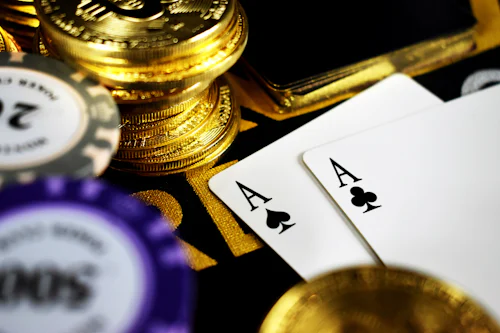
Engaging with games that encompass both chance and skill can provide a more balanced outlook for players. By recognizing the role of luck while simultaneously honing their skills, players can cultivate a more mature approach to gambling. Casinos can enhance player experiences by offering transparent insights into the odds and mechanics of their games. This clarity enables individuals to make well-informed decisions, fostering a healthier gaming environment where players are aware of their limits and the realities of the gaming experience.
Skill-based Games and Their Popularity
In recent years, skill-based games have witnessed a remarkable surge in popularity within casinos, reflecting a significant shift in player preferences. Games like poker and blackjack serve as prime examples of how strategic thinking and calculated decision-making can lead to improved outcomes. Players who invest time in mastering the rules, strategies, and even the psychological elements of these games often find themselves at a distinct advantage over casual participants. This growing interest has spurred more events, tournaments, and offerings centered around skill-based gameplay, establishing a robust presence within the gaming landscape.
The allure of skill-based games also stems from the social dynamics they foster. These games typically involve interaction among players, creating a sense of community and camaraderie. Participants can share strategies, recount previous games, and engage in friendly competition, which enriches their overall experience. Such social elements enhance the perception of skill as a crucial factor in success, forming a tangible connection among players that games of chance often lack.
Additionally, the emergence of online gaming platforms has further amplified the popularity of skill-based games. Many players now have access to a wealth of tutorials, guides, and online forums that allow them to refine their skills in a supportive environment. This accessibility demystifies complex strategies and encourages players to dedicate more time and effort to mastering these games. As technology continues to evolve, the fusion of skill-based gaming with online platforms unveils new opportunities for players, shaping the future of casino gaming.
The Role of Chance in Casino Design
Chance plays a pivotal role not only in game mechanics but also in the overall design and operation of casinos. The architecture, layout, and ambiance of a casino are meticulously crafted to enhance the player’s experience of chance. From the vibrant lights and vivid colors of slot machines to the strategically placed seating at high-stakes tables, every element is designed to create an environment that encourages players to engage in risk-taking behaviors. This deliberate design aims to amplify the thrill associated with chance-based games, ultimately leading to longer play sessions and greater player engagement.
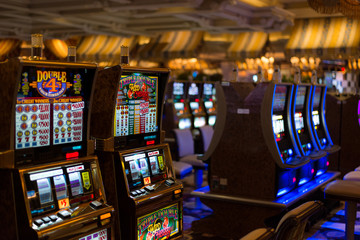
Furthermore, the management of odds and house edges is vital for ensuring the financial viability of casino operations. While players may focus on their individual experiences, the reality is that casinos operate on the probabilities that guarantee their long-term profitability. In games of chance, the house edge ensures that casinos maintain a consistent advantage over players, allowing them to effectively manage their risks. This underscores the notion that, while players may enjoy winning streaks, the odds are systematically structured to favor the establishment.
By crafting an immersive environment centered around chance, casinos can maintain player engagement and satisfaction. This experience highlights the inherent unpredictability of gaming, where fortunes can change dramatically in an instant. As players navigate these dynamics, they become part of the broader narrative of chance woven into the fabric of casino gaming, contributing to the allure that keeps them returning for more.
Conclusion: The Intersection of Chance and Skill at Casinos
Understanding whether casinos are primarily a game of chance or skill leads to a nuanced perspective that recognizes the interplay between these two essential elements. While luck undoubtedly plays a significant role in many casino games, skill-based games offer opportunities for players to leverage their knowledge and experience effectively. This duality enriches the overall casino experience, inviting individuals to explore their capabilities while navigating the unpredictable nature of gaming.
As the gaming landscape continues to evolve, both players and operators alike must adapt to these changing dynamics. The growing prominence of skill-based games, combined with a psychological understanding of chance, highlights the complexity of player engagement within casinos. By embracing both chance and skill, players can derive greater satisfaction from their gaming experiences, learning valuable lessons from each play and enhancing their future approaches to gaming.
Ultimately, whether a player is drawn to games of chance or skill, the world of casinos offers a diverse array of options that cater to various preferences. Embracing this variety can foster a rich and enjoyable gaming journey, allowing individuals to explore their limits and connect with fellow enthusiasts in an engaging environment. As the thrilling industry of gaming continues to develop, players can look forward to innovative games and experiences that challenge their understanding of chance and skill, enriching the overall casino experience.